Teslimat bölgelerinde kargonuzu kendiniz gidip almalısınız. Sitenin altında teslimat noktaları mevcuttur.



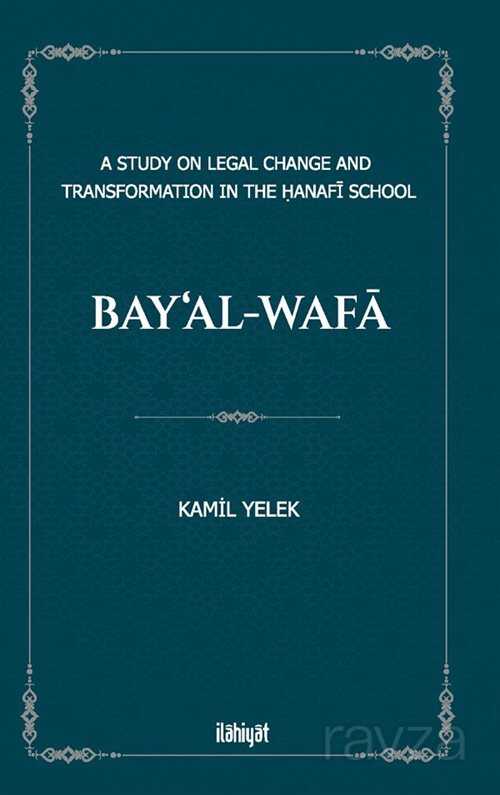
Bay'Al-Wafa
Tükendi
Gelince Haber VerAlthough lending money is encouraged in Islam, people have not always been able to obtain the funds they need for various reasons. In particular, economic instability and the decline of mutual trust have often hindered access to legitimate borrowing. Since interest (riba) is categorically prohibited in Islamic law, the question of how people could legitimately meet their credit needs has long preoccupied the minds of Muslims. Over time, some sharīʿa-compliant mechanisms were developed to meet these needs without recourse to usury. One such method which developed within the Hanafi school is bayʿ al-wafāʾ.
This study examines how bayʿ al-wafāʾ was revised and developed in the works of the wāqiʿāt genre through the fatwās and interpretations of the Hanafi mashāyikh, and how it was incorporated into the doctrine; whether any changes occurred within the madhhab on this issue; which instruments were employed in these legal processes; and what was ultimately added to the doctrine. It also demonstrates how these views were received by subsequent scholars, how this situation was reflected in Ottoman fatwā collections, and based on those fatwās and the sharʿiyyah registers what perspective Ottoman Hanafi jurists and Shaykh al-Islāms adopted on the matter, which view within the madhhab was brought to the fore, and how these positions were implemented in practice.
| Barkod | 9786258731798 |
| Basım Yılı | 2026 |
| Cilt Durumu | Karton Kapak |
| Dil | İngilizce |
| Ebat | 13,5 x 21 |
| Kağıt Türü | Kitap Kağıdı |
| Sayfa Sayısı | 100 |
Although lending money is encouraged in Islam, people have not always been able to obtain the funds they need for various reasons. In particular, economic instability and the decline of mutual trust have often hindered access to legitimate borrowing. Since interest (riba) is categorically prohibited in Islamic law, the question of how people could legitimately meet their credit needs has long preoccupied the minds of Muslims. Over time, some sharīʿa-compliant mechanisms were developed to meet these needs without recourse to usury. One such method which developed within the Hanafi school is bayʿ al-wafāʾ.
This study examines how bayʿ al-wafāʾ was revised and developed in the works of the wāqiʿāt genre through the fatwās and interpretations of the Hanafi mashāyikh, and how it was incorporated into the doctrine; whether any changes occurred within the madhhab on this issue; which instruments were employed in these legal processes; and what was ultimately added to the doctrine. It also demonstrates how these views were received by subsequent scholars, how this situation was reflected in Ottoman fatwā collections, and based on those fatwās and the sharʿiyyah registers what perspective Ottoman Hanafi jurists and Shaykh al-Islāms adopted on the matter, which view within the madhhab was brought to the fore, and how these positions were implemented in practice.
| Barkod | 9786258731798 |
| Basım Yılı | 2026 |
| Cilt Durumu | Karton Kapak |
| Dil | İngilizce |
| Ebat | 13,5 x 21 |
| Kağıt Türü | Kitap Kağıdı |
| Sayfa Sayısı | 100 |