Teslimat bölgelerinde kargonuzu kendiniz gidip almalısınız. Sitenin altında teslimat noktaları mevcuttur.


Guyton and Hall Textbook of Medical Physiology, In
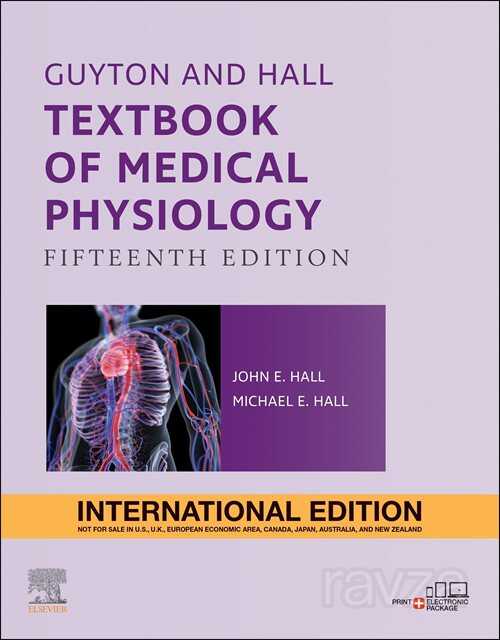
Guyton and Hall Textbook of Medical Physiology, In
Tükendi
Gelince Haber VerA favorite text of physiology students worldwide, Guyton and Hall Textbook of Medical Physiology delivers the complex knowledge you need to master in a distinctive, easy-to-digest format. The fifteenth Edition of this bestselling text is fully up to date and provides clear, comprehensive coverage of the content most relevant to clinical and pre-clinical students. The unique format ensures maximum learning and retention of complex concepts: a larger font size emphasizes core information, while supporting information is detailed in a smaller font and highlighted in pale blue―making it easy to quickly skim the essential text or pursue more in-depth study.
Focuses on core material and how the body maintains homeostasis to remain healthy, emphasizing the important principles that will aid in later clinical decision making.Contains new information on physiology and the gut microbiome and clinically important sex differences in physiology lab values.Presents information in short chapters using a concise, readable voice that facilitates learning and retention.Utilizes two font sizes: a larger font for fundamentals, and a smaller font that highlights relevant integrated sciences, clinical examples, pathophysiology, or detailed mechanisms that students can read as needed.Contains more than 1,200 full-color drawings and diagrams―all carefully crafted to make physiology easier to understand.Includes online access to heart sounds, animations, self-assessment questions, and more.An eBook version is included with purchase. The eBook allows you to access all of the text and figures, with the ability to search, make notes and highlights, and have content read aloud.Table Of Contents:UNIT I Introduction to Physiology: The Cell and General Physiology1. Functional Organization of the Human Body and Control of the "Internal Environment"Cells Are the Living Units of the BodyExtracellular Fluid-The "Internal Environment"Homeostasis-Maintenance of a Stable Internal EnvironmentControl Systems of the BodyPhysiological VariabilitySex Differences in Physiology and PathophysiologySummary-Automaticity of the Body2. The Cell and Its FunctionsOrganization of the CellCell StructureFunctional Systems of the CellLocomotion of Cells3. Genetic Control of Protein Synthesis, Cell Function, and Cell ReproductionCell Nucleus Genes Control Protein SynthesisTranscription-Transfer of Cell Nucleus DNA Code to Cytoplasm RNA CodeTranslation-Formation of Proteins on the RibosomesProtein Enzymes Control Synthesis of Other Substances in the CellRegulation of Gene Function and Biochemical Activity in CellsThe DNAGenetic System Controls Cell ReproductionCell DifferentiationApoptosis-Programmed Cell DeathCancerUNIT II Membrane Physiology, Nerve, and Muscle4. Transport of Substances Through Cell MembranesThe Cell Membrane Is a Lipid Bilayer With Cell Membrane Transport ProteinsDiffusionActive Transport of Substances Through Membranes5. Membrane Potentials and Action PotentialsBasic Physics of Membrane PotentialsResting Membrane Potential of NeuronsNeuron Action PotentialPropagation of the Action PotentialImportance of Energy Metabolism for Reestablishing Sodium and Potassium Ionic Gradients After Action Potentials Are CompletedPlateau in Some Action PotentialsRhythmicity of Some Excitable Tissues-Repetitive DischargeSpecial Characteristics of Signal Transmission in Nerve TrunksExcitation-The Process of Eliciting the Action Potential6. Contraction of Skeletal MusclePhysiological Anatomy of Skeletal MuscleGeneral Mechanism of Muscle ContractionMolecular Mechanisms of Muscle ContractionEnergetics of Muscle ContractionCharacteristics of Whole Muscle Contraction7. Excitation of Skeletal Muscle: Neuromuscular Transmission and Excitation-Contraction CouplingNeuromuscular Junction and Transmission of Impulses From Nerve Endings to Skeletal Muscle FibersMuscle Action PotentialExcitation-Contraction Coupling8. Excitation and Contraction of Smooth MuscleContraction of Smooth MuscleRegulation of Contraction By Calcium IonsNervous and Hormonal Control of Smooth Muscle ContractionUNIT III: The Heart9. Cardiac Muscle; The Heart as a Pump and Function of the Heart ValvesCardiac Muscle PhysiologyThe Cardiac CycleRegulation of Heart Pumping10. Rhythmical Excitation of the HeartSpecialized Excitatory and Conductive System of the HeartControl of Excitation and Conduction in the Heart11. Fundamentals of ElectrocardiographyWaveforms of the Normal ElectrocardiogramFlow of Current Around the Heart During the Cardiac CycleElectrocardiographic Leads12. Electrocardiographic Interpretation of Cardiac Muscle and Coronary Blood Flow Abnormalities: Vectorial AnalysisVectorial Analysis of ElectrocardiogramsVectorial Analysis of the Normal ElectrocardiogramMean Electrical Axis of the Ventricular QRS and Its SignificanceConditions That Cause Abnormal Voltages of the QRS ComplexProlonged and Bizarre Patterns of the QRS ComplexCurrent of Injury on the ElectrocardiogramAbnormalities in the T Wave13. Cardiac Arrhythmias and Their Electrocardiographic InterpretationAbnormal Sinus RhythmsHeart Block Within the Intracardiac Conduction PathwaysPremature ContractionsParoxysmal TachycardiaVentricular FibrillationAtrial FibrillationAtrial FlutterCardiac ArrestUNIT IV: The Circulation14. Overview of the Circulation: Pressure, Flow, and ResistancePhysical Characteristics of the CirculationBasic Principles of Circulatory FunctionInterrelationships of Pressure, Flow, and Resistance15. Vascular Distensibility and Functions of the Arterial and Venous SystemsVascular DistensibilityArterial Pressure PulsationsVeins and Their Functions16. The Microcirculation and Lymphatic System: Capillary Fluid Exchange, Interstitial Fluid, and Lymph FlowStructure of the Microcirculation and Capillary SystemVasomotion Causes Intermittent Capillary Blood FlowExchange of Substances Between the Blood and Interstitial FluidInterstitium and Interstitial FluidFluid Filtration Across CapillariesLymphatic System17. Local and Humoral Control of Tissue Blood FlowLocal Blood Flow Is Controlled in Response to Tissue NeedsMechanisms of Local Blood Flow ControlHumoral Control of the Circulation18. Nervous Regulation of the Circulation and Rapid Control of Arterial PressureNervous Regulation of the CirculationSpecial Features of Nervous Control of Arterial Pressure19. Role of the Kidneys in Long-Term Control of Arterial Pressure and in Hypertension: The Integrated System for Arterial Pressure RegulationRenalBody Fluid System for Arterial Pressure ControlRole of the Renin-Angiotensin System in Arterial Pressure ControlSummary of Integrated Multifaceted Systems for Arterial Pressure Regulation20. Cardiac Output, Venous Return, and Their RegulationNormal Values for Cardiac Output at Rest and During ActivityControl of Cardiac Output By Venous Return-Frank-Starling Mechanism of the HeartMethods for Measuring Cardiac Output21. Muscle Blood Flow and Cardiac Output During Exercise; The Coronary Circulation and Ischemic Heart DiseaseBlood Flow Regulation in Skeletal Muscle at Rest and During ExerciseCoronary Circulation22. Heart FailureCirculatory Dynamics in Heart FailureUnilateral Left Heart FailureLow-Output Cardiac Failure-Cardiogenic ShockEdema in Patients With Heart FailureCardiac ReserveQuantitative Graphic Analysis of Cardiac FailureHeart Failure With Preserved Ejection FractionHigh-Output Heart Failure23. Heart Valves and Heart Sounds; Valvular and Congenital Heart DefectsHeart SoundsAbnormal Circulatory Dynamics in Valvular Heart DiseaseAbnormal Circulatory Dynamics in Congenital Heart DefectsUse of Extracorporeal Circulation During Cardiac SurgeryHypertrophy of the Heart in Valvular and Congenital Heart Disease24. Circulatory Shock and Its TreatmentPhysiological Causes of ShockHypovolemic Shock Due to HemorrhageDistributive Shock Is Characterized By Severe Peripheral VasodilationObstructive Shock Is Usually Due to Noncardiac Causes of Reduced Cardiac OutputPhysiology of Treatment in ShockCirculatory ArrestUNIT V: The Body Fluids and Kidneys25. Regulation of Body Fluid Compartments: Extracellular and Intracellular Fluids; EdemaIntake and Output of Fluids and Solutes Are Balanced During Long-Term Steady-State ConditionsBody Fluid CompartmentsConstituents of Extracellular and Intracellular FluidsMeasurement of Body Fluid Component Volumes-Indicator-Dilution PrincipleFluid Exchange and Osmotic Equilibrium Between Intracellular and Extracellular FluidVolume and Osmolality of Extracellular and Intracellular Fluids in Abnormal StatesGlucose and Other Solutions Administered for Nutritive PurposesClinical Abnormalities of Fluid Volume Regulation: Hyponatremia and HypernatremiaEdema: Excess Fluid in the TissuesFluids in Potential Spaces of the Body26. The Urinary System: Functional Anatomy and Urine Formation By the KidneysMultiple Functions of the KidneysPhysiological Anatomy of the KidneysUrine Formation Results From Glomerular Filtration, Tubular Reabsorption, and Tubular SecretionMicturition27. Glomerular Filtration, Renal Blood Flow, and Their ControlGlomerular Filtration-The First Step in Urine FormationDeterminants of GFRRenal Blood FlowPhysiological Control of GFR and Renal Blood FlowAutoregulation of GFR and Renal Blood Flow28. Renal Tubular Reabsorption and SecretionTubular Reabsorption Is Quantitatively Large and Highly SelectiveTubular Reabsorption Includes Passive and Active MechanismsReabsorption and Secretion Along Different Parts of the NephronRegulation of Tubular ReabsorptionUse of Clearance Methods to Quantify Kidney Function29. Urine Concentration and Dilution; Regulation of Extracellular Fluid Osmolarity and Sodium ConcentrationKidneys Excrete Excess Water By Forming Dilute UrineKidneys Conserve Water By Excreting Concentrated UrineCountercurrent Multiplier MechanismControl of Extracellular Fluid Osmolarity and Sodium Concentration30. Renal Regulation of Potassium, Calcium, Phosphate, and Magnesium; Integration of Renal Mechanisms for Control of Blood Volume and Extracellular Fluid VolumeRegulation of Internal Potassium DistributionRegulation of Renal Potassium ExcretionRegulation of Renal Calcium Excretion and Extracellular Calcium Ion ConcentrationRegulation of Renal Phosphate ExcretionRegulation of Renal Magnesium Excretion and Extracellular Magnesium Ion ConcentrationIntegration of Renal Mechanisms for Control of Extracellular FluidDistribution of Extracellular Fluid Between Interstitial Spaces and Vascular SystemNervous and Hormonal Factors Increase Effectiveness of RenalBody Fluid Feedback ControlIntegrated Responses to Changes in Sodium IntakeConditions That Cause Large Increases in Blood Volume and Extracellular Fluid VolumeConditions That Cause Large Increases in Extracellular Fluid Volume With Normal or Reduced Blood Volume31. AcidBase RegulationHydrogen Ion Concentration Is Precisely RegulatedAcids and Bases-Definitions and MeaningsDefending Against Changes in H+ Concentration: Buffers, Lungs, and KidneysBuffering of H+ in the Body FluidsBicarbonate Buffer SystemPhosphate Buffer SystemProteins Are Important Intracellular BuffersRespiratory Regulation of AcidBase BalanceRenal Control of AcidBase BalanceSecretion of H+ and Reabsorption of HCO3− By the Renal TubulesCombination of Excess H+ With Phosphate and Ammonia Buffers in the Tubule Generates "New" HCO3−Quantifying Renal AcidBase ExcretionRegulation of Renal Tubular H+ SecretionRenal Correction of Acidosis-Increased Excretion of H+ and Addition of HCO3− to the Extracellular FluidRenal Correction of Alkalosis-Decreased Tubular Secretion of H+ and Increased Excretion of HCO3−32. Diuretics and Kidney DiseasesDiuretics and Their Mechanisms of ActionKidney DiseasesAcute Kidney InjuryCKD Is Often Associated With Irreversible Loss of Functional NephronsUNIT VI: Blood Cells, Immunity, and Blood Coagulation33. Red Blood Cells, Anemia, and PolycythemiaRed Blood Cells (Erythrocytes)Iron MetabolismAnemiasPolycythemia34. Resistance of the Body to Infection: I. Leukocytes, Granulocytes, the Monocyte-Macrophage System, and InflammationLeukocytes (White Blood Cells)Neutrophils and Macrophages Defend Against InfectionsMonocyte-Macrophage Cell System (Reticuloendothelial System)Inflammation: Role of Neutrophils and MacrophagesEosinophilsBasophilsLeukopeniaLeukemias35. Resistance of the Body to Infection: II. Immunity and AllergyAcquired (Adaptive) ImmunityAllergy and HypersensitivitySex Differences in Innate and Adaptive Immunity36. Blood Types, Transfusion, and Tissue and Organ TransplantationAntigenicity Causes Immune Reactions of BloodO-A-B Blood TypesRh Blood TypesTransfusion Reactions Resulting From Mismatched Blood TypesTransplantation of Tissues and Organs37. Hemostasis and Blood CoagulationHemostasis EventsMechanism of Blood CoagulationConditions That Cause Excessive Bleeding in HumansThromboembolic ConditionsAnticoagulants for Clinical UseBlood Coagulation TestsUNIT VII: Respiration38. Pulmonary VentilationMechanics of Pulmonary VentilationPulmonary Volumes and CapacitiesAlveolar Ventilation39. Pulmonary Circulation, Pulmonary Edema, and Pleural FluidPhysiological Anatomy of the Pulmonary Circulatory SystemPressures in the Pulmonary Circulatory SystemBlood Volume of the LungsBlood Flow Through the Lungs and Its DistributionEffect of Hydrostatic Pressure Gradients in the Lungs on Regional Pulmonary Blood FlowPulmonary Capillary DynamicsFluid in the Pleural Cavity40. Principles of Gas Exchange; Diffusion of Oxygen and Carbon Dioxide Through Respiratory MembranesCompositions of Alveolar Air and Atmospheric Air Are DifferentDiffusion of Gases Through the Respiratory Membrane41. Transport of Oxygen and Carbon Dioxide in Blood and Tissue FluidsTransport of Oxygen From the Lungs to the Body TissuesTransport of CO2 in BloodRespiratory Exchange Ratio42. Regulation of RespirationRespiratory CenterChemical Control of RespirationPeripheral Chemoreceptor System-Role of Oxygen in Respiratory ControlRegulation of Respiration During Exercise43. Respiratory Insufficiency-Pathophysiology, Diagnosis, Oxygen TherapyMethods for Studying Respiratory AbnormalitiesPathophysiology of Specific PulmonaryAbnormalitiesHypoxia and Oxygen TherapyHypercapnia-Excess Carbon Dioxidein the Body FluidsRespiratory Resuscitation and MechanicalVentilatorsUNIT VIII: Aviation, Space, and Deep-Sea Diving Physiology44. Aviation, High Altitude, and Space PhysiologyEffects of Low Oxygen Pressure on the Body45. Physiology of Deep-Sea Diving and Other Hyperbaric ConditionsEffect of High Partial Pressures of Individual Gases on the BodySelf-Contained Underwater Breathing Apparatus (SCUBA) DivingUNIT IX: The Nervous System: A. General Principles and Sensory Physiology46. Organization of the Nervous System, Basic Functions of Synapses and NeurotransmittersGeneral Design of the Nervous SystemMajor Levels of Central Nervous System FunctionComparison of the Nervous System to a ComputerCentral Nervous System SynapsesSpecial Characteristics of Synaptic Transmission47. Sensory Receptors and Neuronal Circuits for Processing InformationTypes of Sensory Receptors and the Stimuli They DetectTransduction of Sensory Stimuli Into Nerve ImpulsesSignal Intensity Transmission in Nerve Tracts-Spatial and Temporal SummationTransmission and Processing of Signals in Neuronal PoolsInstability and Stability of Neuronal Circuits48. Somatic Sensations: I. General Organization, Tactile and Position SensesClassification of Somatic SensesDetection and Transmission of Tactile SensationsSensory Pathways for Transmitting Somatic Signals Into the Central Nervous SystemTransmission in the Dorsal ColumnMedial Lemniscal SystemTransmission of Sensory Signals in the Anterolateral Pathway49. Somatic Sensations: II. Pain, Headache, and Thermal SensationsFast Pain and Slow Pain and Their QualitiesPain Receptors (Nociceptors) and Their StimulationDual Pathways for Transmission of Pain Signals Into the Central Nervous SystemPain Suppression (Analgesia) System in the Brain and Spinal CordReferred PainVisceral PainThermal SensationsUNIT X: The Nervous System: B. The Special Senses50. The Eye: I. Optics of VisionPhysical Principles of OpticsOptics of the EyeFluid System of the Eye-Intraocular Fluid51. The Eye: II. Receptor and Neural Function of the RetinaAnatomy and Function of Structural Elements of the RetinaPhotochemistry of VisionColor VisionNeural Function of the Retina52. The Eye: III. Central Neurophysiology of VisionVisual PathwaysOrganization and Function of the Visual CortexNeuronal Patterns of Stimulation During Analysis of Visual Images53. Eye Movements and Their ControlAutonomic Control of Accommodation and Pupillary ApertureEye Movements and Their ControlAutonomic Control of Accommodationand Pupillary Aperture54. The Sense of HearingTympanic Membrane and the Ossicular SystemCochleaCentral Auditory MechanismsUNIT XI: The Nervous System: C. Motor and Integrative Neurophysiology55. Spinal Cord Motor Functions; The Cord ReflexesOrganization of the Spinal Cord for Motor FunctionsMuscle Sensory Receptors-Muscle Spindles and Golgi Tendon Organs-and Their Roles in Muscle ControlFlexor Reflex and the Withdrawal ReflexesCrossed Extensor ReflexReciprocal Inhibition and Reciprocal InnervationReflexes of Posture and Locomotion56. Cortical and Brain Stem Control of Motor FunctionMotor Cortex and Corticospinal TractControl of Motor Functions By the Brain StemVestibular Sensations and Maintenance of Equilibrium57. Cerebellum and Basal Ganglia Contributions to Overall Motor ControlThe Cerebellum and Its Motor FunctionsThe Basal Ganglia and Their Motor FunctionsIntegration of the Many Parts of the Entire Motor Control System58. Cerebral Cortex, Intellectual Functions of the Brain, Learning, and MemoryPhysiological Anatomy of the Cerebral CortexFunctions of Specific Cortical AreasThe Corpus Callosum and Anterior Commissure Transfer Thoughts, Memories, Training, and Other Information Between the Two Cerebral HemispheresThoughts, Consciousness, and Memory59. The Limbic System and the Hypothalamus-Behavioral and Motivational Mechanisms of the BrainActivating-Driving Systems of the BrainLimbic SystemThe Hypothalamus, a Major Control Headquarters for the Limbic SystemSpecific Functions of Other Parts of the Limbic System60. States of Brain Activity-Sleep, Brain Waves, Epilepsy, Psychoses, and DementiaSleep61. The Autonomic Nervous System and the Adrenal MedullaGeneral Organization of the Autonomic Nervous SystemBasic Characteristics of Sympathetic and Parasympathetic FunctionSelective Stimulation of Target Organs By the Sympathetic and Parasympathetic Systems or "Mass Discharge"62. Cerebral Blood Flow, Cerebrospinal Fluid, and Brain MetabolismCerebral Blood FlowCerebral MicrocirculationCerebrospinal Fluid SystemBrain MetabolismUNIT XII: Gastrointestinal Physiology63. General Principles of Gastrointestinal Function-Motility, Nervous and Hormonal Control, Blood Circulation, and MicrobiotaGeneral Principles of Gastrointestinal MotilityNeural Control of Gastrointestinal Function-Enteric Nervous SystemHormonal Control of Gastrointestinal MotilityFunctional Movements in the GastrointestinalTractGastrointestinal Blood Flow-SplanchnicCirculationGastrointestinal Microbiota64. Propulsion and Mixing of Food in the Alimentary TractIngestion of FoodMotor Functions of the StomachMovements of the Small IntestineMovements of the ColonOther Autonomic Reflexes That Affect Bowel Activity65. Secretory Functions of the Alimentary TractGeneral Principles of Alimentary Tract SecretionSecretion of SalivaGastric SecretionPancreatic SecretionBile Secretion By the LiverSecretion of Mucus By the Large Intestine66. Digestion and Absorption in the Gastrointestinal TractDigestion of Various Foods By HydrolysisBasic Principles of Gastrointestinal AbsorptionAbsorption in the Small IntestineAbsorption in the Large Intestine and Formation of Feces67. Physiology of Gastrointestinal DisordersUNIT XIII: Metabolism and Temperature Regulation68. Metabolism of Carbohydrates and Formation of Adenosine Triphosphate69. Lipid MetabolismBasic Chemical Structure of Triglycerides (Neutral Fat)Transport of Lipids in the Body Fluids70. Protein Metabolism71. The LiverPhysiological Anatomy of the LiverHepatic Vascular and Lymph SystemsMetabolic Functions of the Liver72. Dietary Balances; Regulation of Feeding; Obesity and Starvation; Vitamins and MineralsEnergy Intake and Output Are Balanced Under Steady-State ConditionsRegulation of Food Intake and Energy Storage73. Energetics and Metabolic Rate74. Body Temperature Regulation and FeverNormal Body TemperaturesBody Temperature Is Controlled By Balancing Heat Production and Heat LossRegulation of Body Temperature-Role of the HypothalamusAbnormalities of Body Temperature RegulationUNIT XIV: Endocrinology and Reproduction75. Introduction to EndocrinologyCoordination of Body Functions By Chemical MessengersChemical Structure and Synthesis of HormonesHormone Secretion, Transport, and Clearance From the BloodMechanisms of Action of Hormones76. Pituitary Hormones and Their Control By the HypothalamusPituitary Gland and Its Relation to the HypothalamusThe Hypothalamus Controls Pituitary SecretionPhysiological Functions of Growth HormonePosterior Pituitary Gland and Its Relation to the Hypothalamus77. Thyroid Metabolic HormonesSynthesis and Secretion of Thyroid Metabolic HormonesPhysiological Functions of the Thyroid HormonesRegulation of Thyroid Hormone Secretion78. Adrenocortical HormonesCorticosteroids: Mineralocorticoids, Glucocorticoids, and AndrogensSynthesis and Secretion of Adrenocortical HormonesFunctions of Mineralocorticoids-AldosteroneFunctions of Glucocorticoids79. Insulin, Glucagon, and Diabetes MellitusInsulin and Its Metabolic EffectsGlucagon and Its FunctionsSummary of Blood Glucose Regulation80. Parathyroid Hormone, Calcitonin, Calcium and Phosphate Metabolism, Vitamin D, Bone, and TeethOverview of Calcium and Phosphate Regulation in Extracellular Fluid and PlasmaBone and Its Relationship to Extracellular Calcium and PhosphateVitamin DParathyroid HormoneCalcitoninSummary of Control of Calcium Ion ConcentrationPhysiology of the Teeth81. Reproductive and Hormonal Functions of the Male (and Function of the Pineal Gland)SpermatogenesisMale Sexual ActTestosterone and Other Male Sex Hormones82. Female Physiology Before Pregnancy and Female HormonesPhysiological Anatomy of the Female Sexual OrgansFemale Hormonal SystemMonthly Ovarian Cycle and Function of Gonadotropic HormonesFunctions of Ovarian Hormones-Estradiol and ProgesteroneRegulation of Female Monthly Rhythm-Interplay Between Ovarian and Hypothalamic-Pituitary HormonesFemale Sexual Act83. Pregnancy and LactationMaturation and Fertilization of the OvumEarly Nutrition of the EmbryoAnatomy and Function of the PlacentaHormonal Factors in PregnancyParturition-Birth of the BabyLactation84. Fetal and Neonatal PhysiologyUNIT XV: Sports Physiology85. Sports Physiology Alternate Formats:| Barkod | 9780443281099 |
A favorite text of physiology students worldwide, Guyton and Hall Textbook of Medical Physiology delivers the complex knowledge you need to master in a distinctive, easy-to-digest format. The fifteenth Edition of this bestselling text is fully up to date and provides clear, comprehensive coverage of the content most relevant to clinical and pre-clinical students. The unique format ensures maximum learning and retention of complex concepts: a larger font size emphasizes core information, while supporting information is detailed in a smaller font and highlighted in pale blue―making it easy to quickly skim the essential text or pursue more in-depth study.
Focuses on core material and how the body maintains homeostasis to remain healthy, emphasizing the important principles that will aid in later clinical decision making.Contains new information on physiology and the gut microbiome and clinically important sex differences in physiology lab values.Presents information in short chapters using a concise, readable voice that facilitates learning and retention.Utilizes two font sizes: a larger font for fundamentals, and a smaller font that highlights relevant integrated sciences, clinical examples, pathophysiology, or detailed mechanisms that students can read as needed.Contains more than 1,200 full-color drawings and diagrams―all carefully crafted to make physiology easier to understand.Includes online access to heart sounds, animations, self-assessment questions, and more.An eBook version is included with purchase. The eBook allows you to access all of the text and figures, with the ability to search, make notes and highlights, and have content read aloud.Table Of Contents:UNIT I Introduction to Physiology: The Cell and General Physiology1. Functional Organization of the Human Body and Control of the "Internal Environment"Cells Are the Living Units of the BodyExtracellular Fluid-The "Internal Environment"Homeostasis-Maintenance of a Stable Internal EnvironmentControl Systems of the BodyPhysiological VariabilitySex Differences in Physiology and PathophysiologySummary-Automaticity of the Body2. The Cell and Its FunctionsOrganization of the CellCell StructureFunctional Systems of the CellLocomotion of Cells3. Genetic Control of Protein Synthesis, Cell Function, and Cell ReproductionCell Nucleus Genes Control Protein SynthesisTranscription-Transfer of Cell Nucleus DNA Code to Cytoplasm RNA CodeTranslation-Formation of Proteins on the RibosomesProtein Enzymes Control Synthesis of Other Substances in the CellRegulation of Gene Function and Biochemical Activity in CellsThe DNAGenetic System Controls Cell ReproductionCell DifferentiationApoptosis-Programmed Cell DeathCancerUNIT II Membrane Physiology, Nerve, and Muscle4. Transport of Substances Through Cell MembranesThe Cell Membrane Is a Lipid Bilayer With Cell Membrane Transport ProteinsDiffusionActive Transport of Substances Through Membranes5. Membrane Potentials and Action PotentialsBasic Physics of Membrane PotentialsResting Membrane Potential of NeuronsNeuron Action PotentialPropagation of the Action PotentialImportance of Energy Metabolism for Reestablishing Sodium and Potassium Ionic Gradients After Action Potentials Are CompletedPlateau in Some Action PotentialsRhythmicity of Some Excitable Tissues-Repetitive DischargeSpecial Characteristics of Signal Transmission in Nerve TrunksExcitation-The Process of Eliciting the Action Potential6. Contraction of Skeletal MusclePhysiological Anatomy of Skeletal MuscleGeneral Mechanism of Muscle ContractionMolecular Mechanisms of Muscle ContractionEnergetics of Muscle ContractionCharacteristics of Whole Muscle Contraction7. Excitation of Skeletal Muscle: Neuromuscular Transmission and Excitation-Contraction CouplingNeuromuscular Junction and Transmission of Impulses From Nerve Endings to Skeletal Muscle FibersMuscle Action PotentialExcitation-Contraction Coupling8. Excitation and Contraction of Smooth MuscleContraction of Smooth MuscleRegulation of Contraction By Calcium IonsNervous and Hormonal Control of Smooth Muscle ContractionUNIT III: The Heart9. Cardiac Muscle; The Heart as a Pump and Function of the Heart ValvesCardiac Muscle PhysiologyThe Cardiac CycleRegulation of Heart Pumping10. Rhythmical Excitation of the HeartSpecialized Excitatory and Conductive System of the HeartControl of Excitation and Conduction in the Heart11. Fundamentals of ElectrocardiographyWaveforms of the Normal ElectrocardiogramFlow of Current Around the Heart During the Cardiac CycleElectrocardiographic Leads12. Electrocardiographic Interpretation of Cardiac Muscle and Coronary Blood Flow Abnormalities: Vectorial AnalysisVectorial Analysis of ElectrocardiogramsVectorial Analysis of the Normal ElectrocardiogramMean Electrical Axis of the Ventricular QRS and Its SignificanceConditions That Cause Abnormal Voltages of the QRS ComplexProlonged and Bizarre Patterns of the QRS ComplexCurrent of Injury on the ElectrocardiogramAbnormalities in the T Wave13. Cardiac Arrhythmias and Their Electrocardiographic InterpretationAbnormal Sinus RhythmsHeart Block Within the Intracardiac Conduction PathwaysPremature ContractionsParoxysmal TachycardiaVentricular FibrillationAtrial FibrillationAtrial FlutterCardiac ArrestUNIT IV: The Circulation14. Overview of the Circulation: Pressure, Flow, and ResistancePhysical Characteristics of the CirculationBasic Principles of Circulatory FunctionInterrelationships of Pressure, Flow, and Resistance15. Vascular Distensibility and Functions of the Arterial and Venous SystemsVascular DistensibilityArterial Pressure PulsationsVeins and Their Functions16. The Microcirculation and Lymphatic System: Capillary Fluid Exchange, Interstitial Fluid, and Lymph FlowStructure of the Microcirculation and Capillary SystemVasomotion Causes Intermittent Capillary Blood FlowExchange of Substances Between the Blood and Interstitial FluidInterstitium and Interstitial FluidFluid Filtration Across CapillariesLymphatic System17. Local and Humoral Control of Tissue Blood FlowLocal Blood Flow Is Controlled in Response to Tissue NeedsMechanisms of Local Blood Flow ControlHumoral Control of the Circulation18. Nervous Regulation of the Circulation and Rapid Control of Arterial PressureNervous Regulation of the CirculationSpecial Features of Nervous Control of Arterial Pressure19. Role of the Kidneys in Long-Term Control of Arterial Pressure and in Hypertension: The Integrated System for Arterial Pressure RegulationRenalBody Fluid System for Arterial Pressure ControlRole of the Renin-Angiotensin System in Arterial Pressure ControlSummary of Integrated Multifaceted Systems for Arterial Pressure Regulation20. Cardiac Output, Venous Return, and Their RegulationNormal Values for Cardiac Output at Rest and During ActivityControl of Cardiac Output By Venous Return-Frank-Starling Mechanism of the HeartMethods for Measuring Cardiac Output21. Muscle Blood Flow and Cardiac Output During Exercise; The Coronary Circulation and Ischemic Heart DiseaseBlood Flow Regulation in Skeletal Muscle at Rest and During ExerciseCoronary Circulation22. Heart FailureCirculatory Dynamics in Heart FailureUnilateral Left Heart FailureLow-Output Cardiac Failure-Cardiogenic ShockEdema in Patients With Heart FailureCardiac ReserveQuantitative Graphic Analysis of Cardiac FailureHeart Failure With Preserved Ejection FractionHigh-Output Heart Failure23. Heart Valves and Heart Sounds; Valvular and Congenital Heart DefectsHeart SoundsAbnormal Circulatory Dynamics in Valvular Heart DiseaseAbnormal Circulatory Dynamics in Congenital Heart DefectsUse of Extracorporeal Circulation During Cardiac SurgeryHypertrophy of the Heart in Valvular and Congenital Heart Disease24. Circulatory Shock and Its TreatmentPhysiological Causes of ShockHypovolemic Shock Due to HemorrhageDistributive Shock Is Characterized By Severe Peripheral VasodilationObstructive Shock Is Usually Due to Noncardiac Causes of Reduced Cardiac OutputPhysiology of Treatment in ShockCirculatory ArrestUNIT V: The Body Fluids and Kidneys25. Regulation of Body Fluid Compartments: Extracellular and Intracellular Fluids; EdemaIntake and Output of Fluids and Solutes Are Balanced During Long-Term Steady-State ConditionsBody Fluid CompartmentsConstituents of Extracellular and Intracellular FluidsMeasurement of Body Fluid Component Volumes-Indicator-Dilution PrincipleFluid Exchange and Osmotic Equilibrium Between Intracellular and Extracellular FluidVolume and Osmolality of Extracellular and Intracellular Fluids in Abnormal StatesGlucose and Other Solutions Administered for Nutritive PurposesClinical Abnormalities of Fluid Volume Regulation: Hyponatremia and HypernatremiaEdema: Excess Fluid in the TissuesFluids in Potential Spaces of the Body26. The Urinary System: Functional Anatomy and Urine Formation By the KidneysMultiple Functions of the KidneysPhysiological Anatomy of the KidneysUrine Formation Results From Glomerular Filtration, Tubular Reabsorption, and Tubular SecretionMicturition27. Glomerular Filtration, Renal Blood Flow, and Their ControlGlomerular Filtration-The First Step in Urine FormationDeterminants of GFRRenal Blood FlowPhysiological Control of GFR and Renal Blood FlowAutoregulation of GFR and Renal Blood Flow28. Renal Tubular Reabsorption and SecretionTubular Reabsorption Is Quantitatively Large and Highly SelectiveTubular Reabsorption Includes Passive and Active MechanismsReabsorption and Secretion Along Different Parts of the NephronRegulation of Tubular ReabsorptionUse of Clearance Methods to Quantify Kidney Function29. Urine Concentration and Dilution; Regulation of Extracellular Fluid Osmolarity and Sodium ConcentrationKidneys Excrete Excess Water By Forming Dilute UrineKidneys Conserve Water By Excreting Concentrated UrineCountercurrent Multiplier MechanismControl of Extracellular Fluid Osmolarity and Sodium Concentration30. Renal Regulation of Potassium, Calcium, Phosphate, and Magnesium; Integration of Renal Mechanisms for Control of Blood Volume and Extracellular Fluid VolumeRegulation of Internal Potassium DistributionRegulation of Renal Potassium ExcretionRegulation of Renal Calcium Excretion and Extracellular Calcium Ion ConcentrationRegulation of Renal Phosphate ExcretionRegulation of Renal Magnesium Excretion and Extracellular Magnesium Ion ConcentrationIntegration of Renal Mechanisms for Control of Extracellular FluidDistribution of Extracellular Fluid Between Interstitial Spaces and Vascular SystemNervous and Hormonal Factors Increase Effectiveness of RenalBody Fluid Feedback ControlIntegrated Responses to Changes in Sodium IntakeConditions That Cause Large Increases in Blood Volume and Extracellular Fluid VolumeConditions That Cause Large Increases in Extracellular Fluid Volume With Normal or Reduced Blood Volume31. AcidBase RegulationHydrogen Ion Concentration Is Precisely RegulatedAcids and Bases-Definitions and MeaningsDefending Against Changes in H+ Concentration: Buffers, Lungs, and KidneysBuffering of H+ in the Body FluidsBicarbonate Buffer SystemPhosphate Buffer SystemProteins Are Important Intracellular BuffersRespiratory Regulation of AcidBase BalanceRenal Control of AcidBase BalanceSecretion of H+ and Reabsorption of HCO3− By the Renal TubulesCombination of Excess H+ With Phosphate and Ammonia Buffers in the Tubule Generates "New" HCO3−Quantifying Renal AcidBase ExcretionRegulation of Renal Tubular H+ SecretionRenal Correction of Acidosis-Increased Excretion of H+ and Addition of HCO3− to the Extracellular FluidRenal Correction of Alkalosis-Decreased Tubular Secretion of H+ and Increased Excretion of HCO3−32. Diuretics and Kidney DiseasesDiuretics and Their Mechanisms of ActionKidney DiseasesAcute Kidney InjuryCKD Is Often Associated With Irreversible Loss of Functional NephronsUNIT VI: Blood Cells, Immunity, and Blood Coagulation33. Red Blood Cells, Anemia, and PolycythemiaRed Blood Cells (Erythrocytes)Iron MetabolismAnemiasPolycythemia34. Resistance of the Body to Infection: I. Leukocytes, Granulocytes, the Monocyte-Macrophage System, and InflammationLeukocytes (White Blood Cells)Neutrophils and Macrophages Defend Against InfectionsMonocyte-Macrophage Cell System (Reticuloendothelial System)Inflammation: Role of Neutrophils and MacrophagesEosinophilsBasophilsLeukopeniaLeukemias35. Resistance of the Body to Infection: II. Immunity and AllergyAcquired (Adaptive) ImmunityAllergy and HypersensitivitySex Differences in Innate and Adaptive Immunity36. Blood Types, Transfusion, and Tissue and Organ TransplantationAntigenicity Causes Immune Reactions of BloodO-A-B Blood TypesRh Blood TypesTransfusion Reactions Resulting From Mismatched Blood TypesTransplantation of Tissues and Organs37. Hemostasis and Blood CoagulationHemostasis EventsMechanism of Blood CoagulationConditions That Cause Excessive Bleeding in HumansThromboembolic ConditionsAnticoagulants for Clinical UseBlood Coagulation TestsUNIT VII: Respiration38. Pulmonary VentilationMechanics of Pulmonary VentilationPulmonary Volumes and CapacitiesAlveolar Ventilation39. Pulmonary Circulation, Pulmonary Edema, and Pleural FluidPhysiological Anatomy of the Pulmonary Circulatory SystemPressures in the Pulmonary Circulatory SystemBlood Volume of the LungsBlood Flow Through the Lungs and Its DistributionEffect of Hydrostatic Pressure Gradients in the Lungs on Regional Pulmonary Blood FlowPulmonary Capillary DynamicsFluid in the Pleural Cavity40. Principles of Gas Exchange; Diffusion of Oxygen and Carbon Dioxide Through Respiratory MembranesCompositions of Alveolar Air and Atmospheric Air Are DifferentDiffusion of Gases Through the Respiratory Membrane41. Transport of Oxygen and Carbon Dioxide in Blood and Tissue FluidsTransport of Oxygen From the Lungs to the Body TissuesTransport of CO2 in BloodRespiratory Exchange Ratio42. Regulation of RespirationRespiratory CenterChemical Control of RespirationPeripheral Chemoreceptor System-Role of Oxygen in Respiratory ControlRegulation of Respiration During Exercise43. Respiratory Insufficiency-Pathophysiology, Diagnosis, Oxygen TherapyMethods for Studying Respiratory AbnormalitiesPathophysiology of Specific PulmonaryAbnormalitiesHypoxia and Oxygen TherapyHypercapnia-Excess Carbon Dioxidein the Body FluidsRespiratory Resuscitation and MechanicalVentilatorsUNIT VIII: Aviation, Space, and Deep-Sea Diving Physiology44. Aviation, High Altitude, and Space PhysiologyEffects of Low Oxygen Pressure on the Body45. Physiology of Deep-Sea Diving and Other Hyperbaric ConditionsEffect of High Partial Pressures of Individual Gases on the BodySelf-Contained Underwater Breathing Apparatus (SCUBA) DivingUNIT IX: The Nervous System: A. General Principles and Sensory Physiology46. Organization of the Nervous System, Basic Functions of Synapses and NeurotransmittersGeneral Design of the Nervous SystemMajor Levels of Central Nervous System FunctionComparison of the Nervous System to a ComputerCentral Nervous System SynapsesSpecial Characteristics of Synaptic Transmission47. Sensory Receptors and Neuronal Circuits for Processing InformationTypes of Sensory Receptors and the Stimuli They DetectTransduction of Sensory Stimuli Into Nerve ImpulsesSignal Intensity Transmission in Nerve Tracts-Spatial and Temporal SummationTransmission and Processing of Signals in Neuronal PoolsInstability and Stability of Neuronal Circuits48. Somatic Sensations: I. General Organization, Tactile and Position SensesClassification of Somatic SensesDetection and Transmission of Tactile SensationsSensory Pathways for Transmitting Somatic Signals Into the Central Nervous SystemTransmission in the Dorsal ColumnMedial Lemniscal SystemTransmission of Sensory Signals in the Anterolateral Pathway49. Somatic Sensations: II. Pain, Headache, and Thermal SensationsFast Pain and Slow Pain and Their QualitiesPain Receptors (Nociceptors) and Their StimulationDual Pathways for Transmission of Pain Signals Into the Central Nervous SystemPain Suppression (Analgesia) System in the Brain and Spinal CordReferred PainVisceral PainThermal SensationsUNIT X: The Nervous System: B. The Special Senses50. The Eye: I. Optics of VisionPhysical Principles of OpticsOptics of the EyeFluid System of the Eye-Intraocular Fluid51. The Eye: II. Receptor and Neural Function of the RetinaAnatomy and Function of Structural Elements of the RetinaPhotochemistry of VisionColor VisionNeural Function of the Retina52. The Eye: III. Central Neurophysiology of VisionVisual PathwaysOrganization and Function of the Visual CortexNeuronal Patterns of Stimulation During Analysis of Visual Images53. Eye Movements and Their ControlAutonomic Control of Accommodation and Pupillary ApertureEye Movements and Their ControlAutonomic Control of Accommodationand Pupillary Aperture54. The Sense of HearingTympanic Membrane and the Ossicular SystemCochleaCentral Auditory MechanismsUNIT XI: The Nervous System: C. Motor and Integrative Neurophysiology55. Spinal Cord Motor Functions; The Cord ReflexesOrganization of the Spinal Cord for Motor FunctionsMuscle Sensory Receptors-Muscle Spindles and Golgi Tendon Organs-and Their Roles in Muscle ControlFlexor Reflex and the Withdrawal ReflexesCrossed Extensor ReflexReciprocal Inhibition and Reciprocal InnervationReflexes of Posture and Locomotion56. Cortical and Brain Stem Control of Motor FunctionMotor Cortex and Corticospinal TractControl of Motor Functions By the Brain StemVestibular Sensations and Maintenance of Equilibrium57. Cerebellum and Basal Ganglia Contributions to Overall Motor ControlThe Cerebellum and Its Motor FunctionsThe Basal Ganglia and Their Motor FunctionsIntegration of the Many Parts of the Entire Motor Control System58. Cerebral Cortex, Intellectual Functions of the Brain, Learning, and MemoryPhysiological Anatomy of the Cerebral CortexFunctions of Specific Cortical AreasThe Corpus Callosum and Anterior Commissure Transfer Thoughts, Memories, Training, and Other Information Between the Two Cerebral HemispheresThoughts, Consciousness, and Memory59. The Limbic System and the Hypothalamus-Behavioral and Motivational Mechanisms of the BrainActivating-Driving Systems of the BrainLimbic SystemThe Hypothalamus, a Major Control Headquarters for the Limbic SystemSpecific Functions of Other Parts of the Limbic System60. States of Brain Activity-Sleep, Brain Waves, Epilepsy, Psychoses, and DementiaSleep61. The Autonomic Nervous System and the Adrenal MedullaGeneral Organization of the Autonomic Nervous SystemBasic Characteristics of Sympathetic and Parasympathetic FunctionSelective Stimulation of Target Organs By the Sympathetic and Parasympathetic Systems or "Mass Discharge"62. Cerebral Blood Flow, Cerebrospinal Fluid, and Brain MetabolismCerebral Blood FlowCerebral MicrocirculationCerebrospinal Fluid SystemBrain MetabolismUNIT XII: Gastrointestinal Physiology63. General Principles of Gastrointestinal Function-Motility, Nervous and Hormonal Control, Blood Circulation, and MicrobiotaGeneral Principles of Gastrointestinal MotilityNeural Control of Gastrointestinal Function-Enteric Nervous SystemHormonal Control of Gastrointestinal MotilityFunctional Movements in the GastrointestinalTractGastrointestinal Blood Flow-SplanchnicCirculationGastrointestinal Microbiota64. Propulsion and Mixing of Food in the Alimentary TractIngestion of FoodMotor Functions of the StomachMovements of the Small IntestineMovements of the ColonOther Autonomic Reflexes That Affect Bowel Activity65. Secretory Functions of the Alimentary TractGeneral Principles of Alimentary Tract SecretionSecretion of SalivaGastric SecretionPancreatic SecretionBile Secretion By the LiverSecretion of Mucus By the Large Intestine66. Digestion and Absorption in the Gastrointestinal TractDigestion of Various Foods By HydrolysisBasic Principles of Gastrointestinal AbsorptionAbsorption in the Small IntestineAbsorption in the Large Intestine and Formation of Feces67. Physiology of Gastrointestinal DisordersUNIT XIII: Metabolism and Temperature Regulation68. Metabolism of Carbohydrates and Formation of Adenosine Triphosphate69. Lipid MetabolismBasic Chemical Structure of Triglycerides (Neutral Fat)Transport of Lipids in the Body Fluids70. Protein Metabolism71. The LiverPhysiological Anatomy of the LiverHepatic Vascular and Lymph SystemsMetabolic Functions of the Liver72. Dietary Balances; Regulation of Feeding; Obesity and Starvation; Vitamins and MineralsEnergy Intake and Output Are Balanced Under Steady-State ConditionsRegulation of Food Intake and Energy Storage73. Energetics and Metabolic Rate74. Body Temperature Regulation and FeverNormal Body TemperaturesBody Temperature Is Controlled By Balancing Heat Production and Heat LossRegulation of Body Temperature-Role of the HypothalamusAbnormalities of Body Temperature RegulationUNIT XIV: Endocrinology and Reproduction75. Introduction to EndocrinologyCoordination of Body Functions By Chemical MessengersChemical Structure and Synthesis of HormonesHormone Secretion, Transport, and Clearance From the BloodMechanisms of Action of Hormones76. Pituitary Hormones and Their Control By the HypothalamusPituitary Gland and Its Relation to the HypothalamusThe Hypothalamus Controls Pituitary SecretionPhysiological Functions of Growth HormonePosterior Pituitary Gland and Its Relation to the Hypothalamus77. Thyroid Metabolic HormonesSynthesis and Secretion of Thyroid Metabolic HormonesPhysiological Functions of the Thyroid HormonesRegulation of Thyroid Hormone Secretion78. Adrenocortical HormonesCorticosteroids: Mineralocorticoids, Glucocorticoids, and AndrogensSynthesis and Secretion of Adrenocortical HormonesFunctions of Mineralocorticoids-AldosteroneFunctions of Glucocorticoids79. Insulin, Glucagon, and Diabetes MellitusInsulin and Its Metabolic EffectsGlucagon and Its FunctionsSummary of Blood Glucose Regulation80. Parathyroid Hormone, Calcitonin, Calcium and Phosphate Metabolism, Vitamin D, Bone, and TeethOverview of Calcium and Phosphate Regulation in Extracellular Fluid and PlasmaBone and Its Relationship to Extracellular Calcium and PhosphateVitamin DParathyroid HormoneCalcitoninSummary of Control of Calcium Ion ConcentrationPhysiology of the Teeth81. Reproductive and Hormonal Functions of the Male (and Function of the Pineal Gland)SpermatogenesisMale Sexual ActTestosterone and Other Male Sex Hormones82. Female Physiology Before Pregnancy and Female HormonesPhysiological Anatomy of the Female Sexual OrgansFemale Hormonal SystemMonthly Ovarian Cycle and Function of Gonadotropic HormonesFunctions of Ovarian Hormones-Estradiol and ProgesteroneRegulation of Female Monthly Rhythm-Interplay Between Ovarian and Hypothalamic-Pituitary HormonesFemale Sexual Act83. Pregnancy and LactationMaturation and Fertilization of the OvumEarly Nutrition of the EmbryoAnatomy and Function of the PlacentaHormonal Factors in PregnancyParturition-Birth of the BabyLactation84. Fetal and Neonatal PhysiologyUNIT XV: Sports Physiology85. Sports Physiology Alternate Formats:| Barkod | 9780443281099 |